Rain gutters and drains play a vital role in protecting your home from water damage. At Haileys Pro Services, we’ve seen firsthand how efficient drainage systems can prevent costly repairs and maintain your property’s value.
This guide will explore various types of rain gutter systems, key components for optimal performance, and essential maintenance tips to keep your gutters functioning at their best.
Which Rain Gutter System Is Right for Your Home?
Rain gutter systems protect homes from water damage. Different types suit various architectural styles, climates, and homeowner preferences. Let’s explore the most common gutter systems to help you choose the best option for your property.
K-style Gutters: The Popular Choice
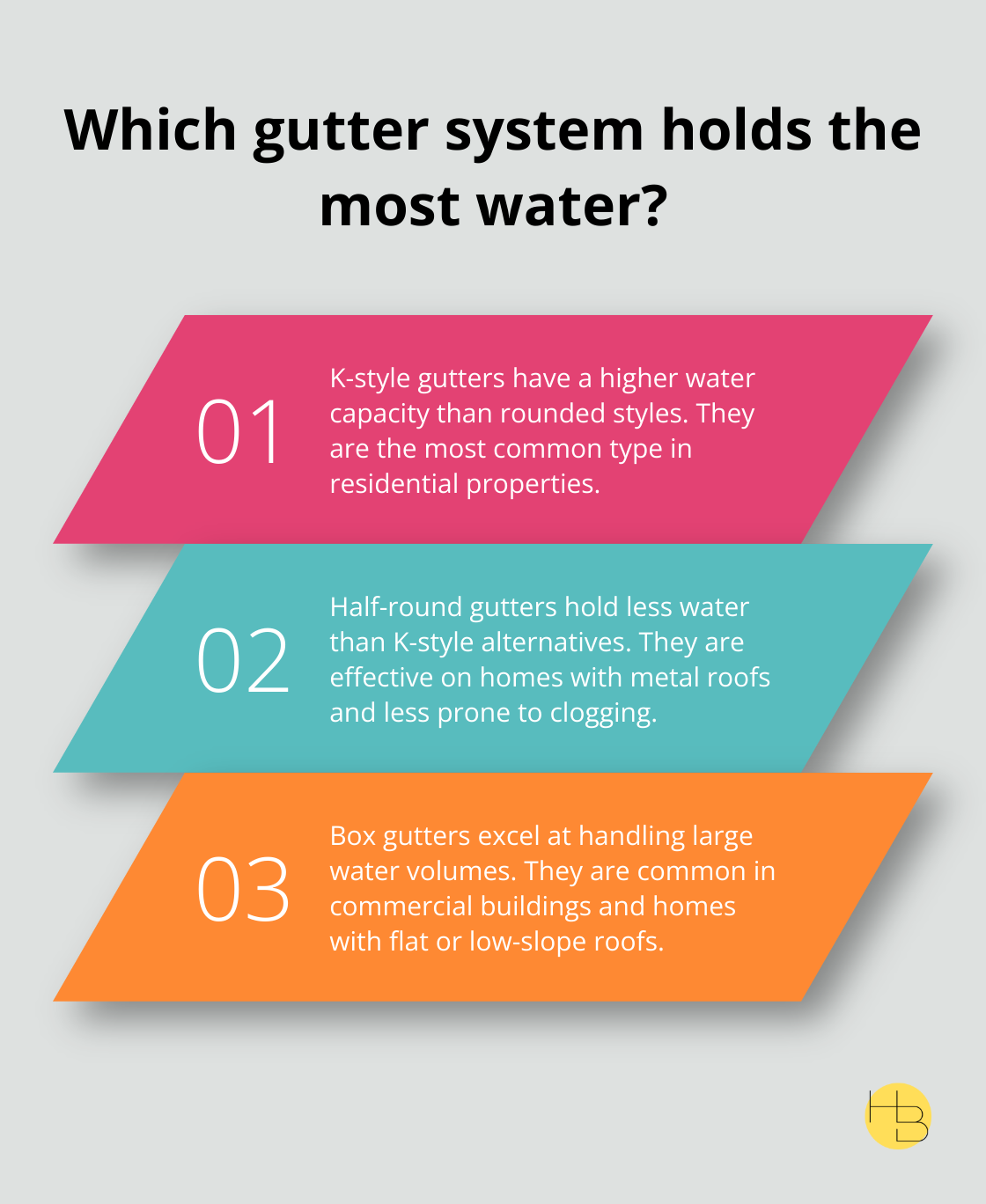
K-Style gutters are the most common type in residential properties. Their profile resembles the letter K when viewed from the side. These gutters offer several advantages:
- Higher water capacity than rounded styles
- Resistance to bending under pressure
- Compatibility with most modern homes
- Availability in various materials (aluminum, copper)
K-style gutters excel in areas with heavy rainfall. Aluminum versions provide lightweight, rust-resistant options, while copper gutters offer durability and aesthetic appeal for homes in severe weather regions.
Half-round Gutters: Classic Elegance
Half-round gutters complement historic homes and traditional architectural styles. Their smooth, curved shape offers unique benefits:
- Less prone to clogging due to their shape
- Effective on homes with metal roofs
- Enhanced water flow, reducing overflow risk
While half-round gutters hold less water than K-style alternatives, they perform exceptionally well on metal roofs. Their installation can be more challenging and may require specialized hangers.
Box Gutters: Hidden Protection
Box gutters integrate into the roof’s structure, providing a nearly invisible drainage solution. They are common in:
- Commercial buildings
- Homes with flat or low-slope roofs
These gutters excel at handling large water volumes. However, their concealed nature can complicate maintenance. Regular professional inspections (at least twice yearly) are essential for homes with box gutters to prevent unnoticed problems.
Seamless Gutters: Leak-Free Performance
Seamless gutters have gained popularity due to their custom-fit design. Fabricated on-site to match your home’s exact measurements, they offer:
- Reduced leakage points
- Lower maintenance needs
- Cleaner, streamlined appearance
With fewer joints, seamless gutters minimize debris accumulation and clogging. They enhance curb appeal while providing superior protection against water damage.
When selecting a rain gutter system, consider your local climate, home architecture, and maintenance preferences. Professional gutter installers (like those at Hailey’s Pro Services) can provide personalized recommendations based on your specific needs.
The right gutter system serves as a long-term investment in your home’s protection. In the next section, we’ll explore the key components that make these systems function efficiently.
What Makes a Gutter System Efficient?
An efficient gutter system protects your home from water damage. Proper sizing, strategic placement, and the right accessories can significantly improve a gutter system’s performance.
The Importance of Proper Sizing
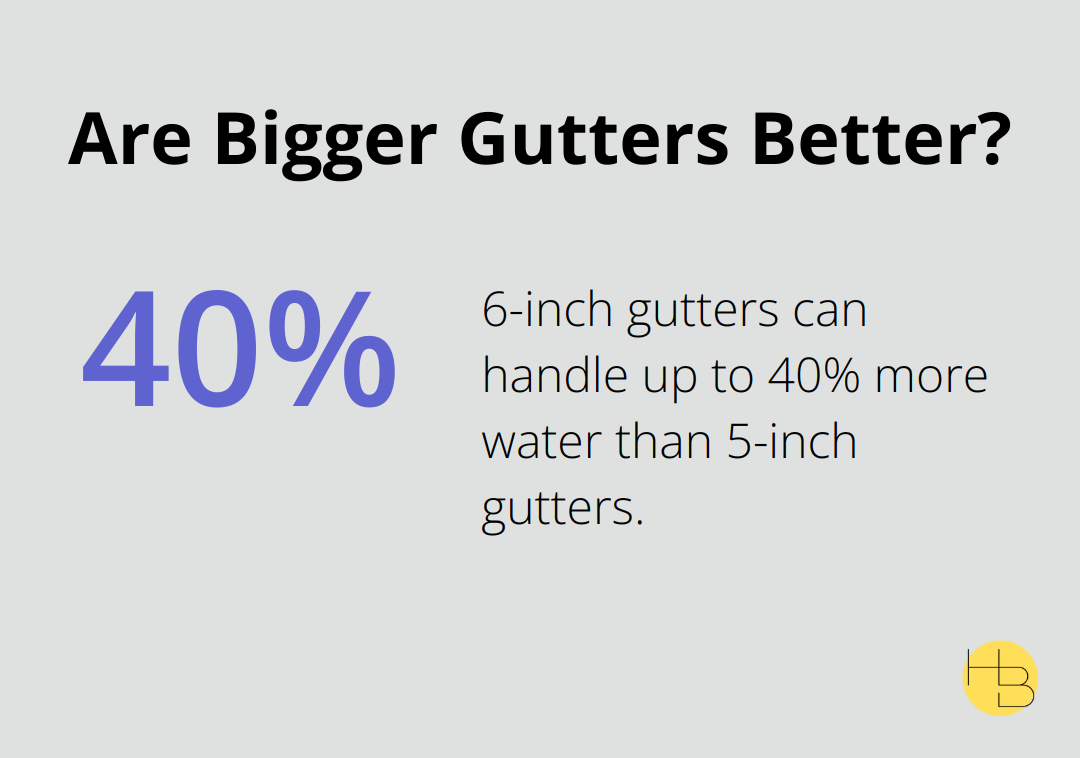
Gutter size plays a critical role in system efficiency. This handy guide will help you calculate gutter size, discuss the different types of gutters, and determine what size is best for your home. Homes in areas with heavy rainfall or those with steep roof pitches often require 6-inch gutters. These larger gutters can handle up to 40% more water than their 5-inch counterparts.
To determine the right size for your home, consider factors like roof square footage, pitch, and local rainfall intensity. For example, a home with a 2,000 square foot roof in an area that receives 4 inches of rain per hour needs about 1,200 square inches of gutter capacity to handle the runoff effectively.
Downspouts and Extensions: Key Components
Downspouts move water away from your home’s foundation. Install one downspout for every 30 to 40 feet of gutter. In areas prone to heavy rainfall, you might need one every 20 feet.
Downspout extensions direct water at least 4 feet away from your home’s foundation. For optimal performance, consider underground drainage systems that can channel water even further away (sometimes up to 10 feet or more).
Gutter Guards: A Worthwhile Investment
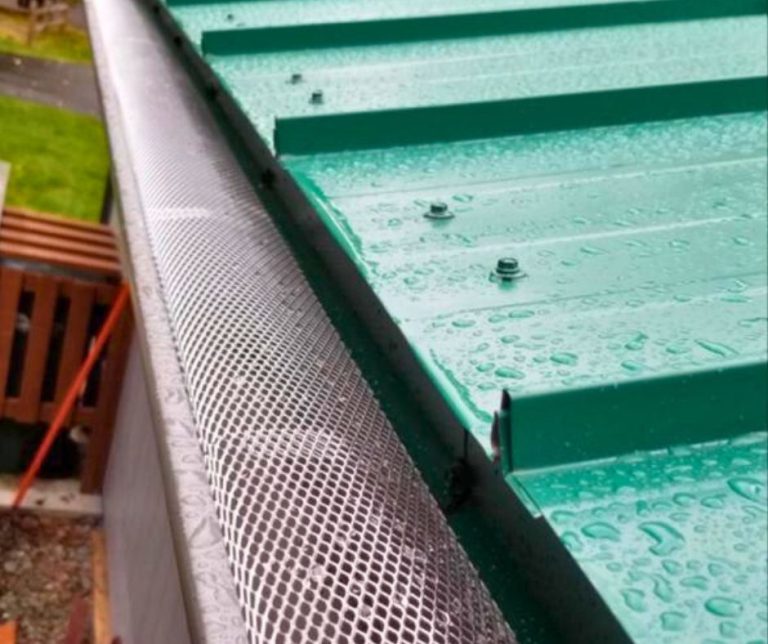
Gutter guards prevent debris from clogging your gutters, reduce maintenance needs, and extend the life of your gutter system. While many types are available, micro-mesh guards often provide the best balance of debris prevention and water flow.
Properly installed gutters help manage rainwater effectively. They collect water from the roof and direct it away from your home. This not only saves time but also reduces the risk of accidents from frequent ladder use.
Splash Blocks and Underground Drainage
Splash blocks and underground drainage systems manage water once it leaves your downspouts. Splash blocks disperse water over a wider area, reducing erosion. For homes with persistent drainage issues, underground systems offer a more comprehensive solution.
Underground drainage pipes can connect directly to your downspouts, channeling water to a designated area away from your home. This method is particularly effective for properties with poor natural drainage or those in low-lying areas.
A well-designed gutter system not only protects your home but can also add to its curb appeal and value. If you’re unsure about your current setup, a professional assessment can identify potential improvements. In the next section, we’ll explore essential maintenance tips to keep your gutter system functioning at its best.
How to Keep Your Gutters in Top Shape
Clean and Inspect Regularly
Clean your gutters at least once or twice a year. If you have many trees near your home, you might need to clean them more often. During cleaning, remove all debris and flush the gutters with water to ensure proper flow.
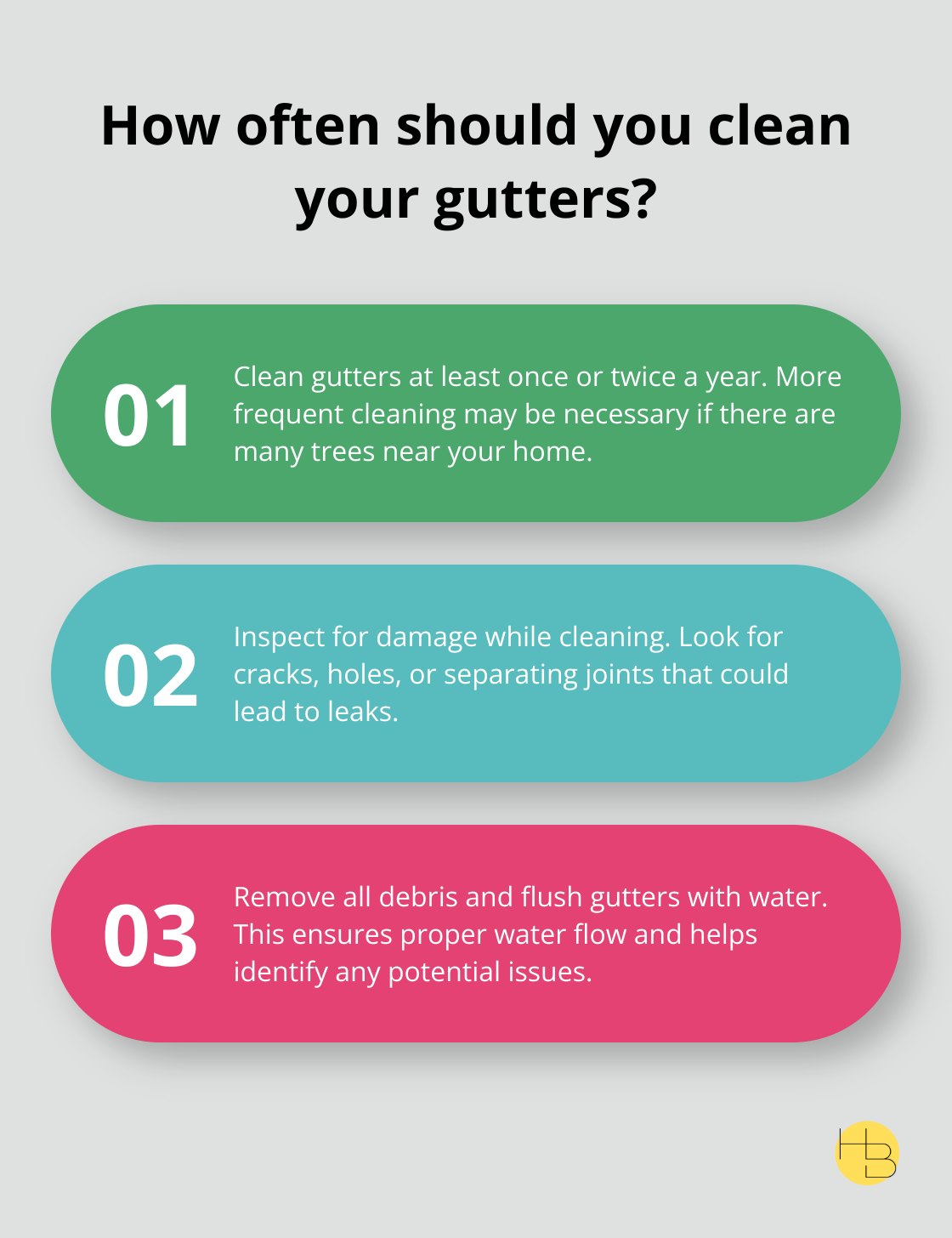
While cleaning, inspect for signs of damage. Look for cracks, holes, or separating joints. These issues can lead to leaks if not addressed. Also, check the fascia board behind the gutter for any signs of rot or water damage.
Tackle Clogs Promptly
Clogs prevent efficient gutter systems. They can cause water to overflow, potentially damaging your home’s foundation or basement. If you notice water spilling over the sides of your gutters during rain, you likely have a clog.
To address clogs, locate the blockage. Often, it’s at the elbow of the downspout. Use a plumber’s snake or a high-pressure nozzle on your garden hose to dislodge the clog. For stubborn blockages, you might need to disassemble the downspout.
Fix Leaks and Damage Immediately
Even small leaks can lead to big problems if ignored. For minor leaks, gutter sealant can often do the trick. Apply it to clean, dry gutters on a day when no rain is expected for at least 24 hours.
For more significant damage (such as large holes or separating sections), replacement might be necessary. This is where professional services can be invaluable. They can assess the damage and provide efficient, long-lasting repairs.
Ensure Proper Slope and Alignment
Your gutters should slope slightly towards the downspouts to ensure proper water flow. The general rule is a quarter-inch slope for every 10 feet of gutter. Use a level to check the slope and adjust the hangers if necessary.
Also, make sure your gutters are properly aligned. Gutters that have pulled away from the house can’t effectively channel water. If you notice gaps between your gutters and fascia, it’s time to realign them.
Many maintenance tasks can be DIY projects, but some repairs are best left to professionals. If you’re uncomfortable working on ladders or dealing with complex repairs, don’t hesitate to call in experts.
Final Thoughts
Efficient rain gutters and drains protect homes from water damage. These systems divert rainwater away from foundations, which prevents costly repairs and maintains property value. Regular maintenance ensures gutters function optimally year-round, extending their lifespan and avoiding potential water-related issues.

Professional installation and service options offer numerous benefits for homeowners. Experts ensure proper sizing, slope, and alignment of gutter systems, tailored to specific home needs. They also recommend and install suitable gutter guards and drainage solutions for each property.
Haileys Pro Services understands the importance of well-functioning gutter systems. Our experienced technicians specialize in gutter installation, cleaning, and repairs (through our Handyman Maintenance Program). Professional services provide peace of mind, knowing your rain gutters and drains will handle whatever weather comes your way.