Hey there! I’m a gutter specialist at HAILEYS PRO SERVICES, and I’ve been installing gutters for metal roofs for over a decade. If you’re reading this, you probably have a metal roof or you’re thinking about getting one, and you want to know what kind of gutters will work best. Well, you’ve come to the right place. I’m going to share everything I’ve learned about gutters for metal roofs from years of hands-on experience.
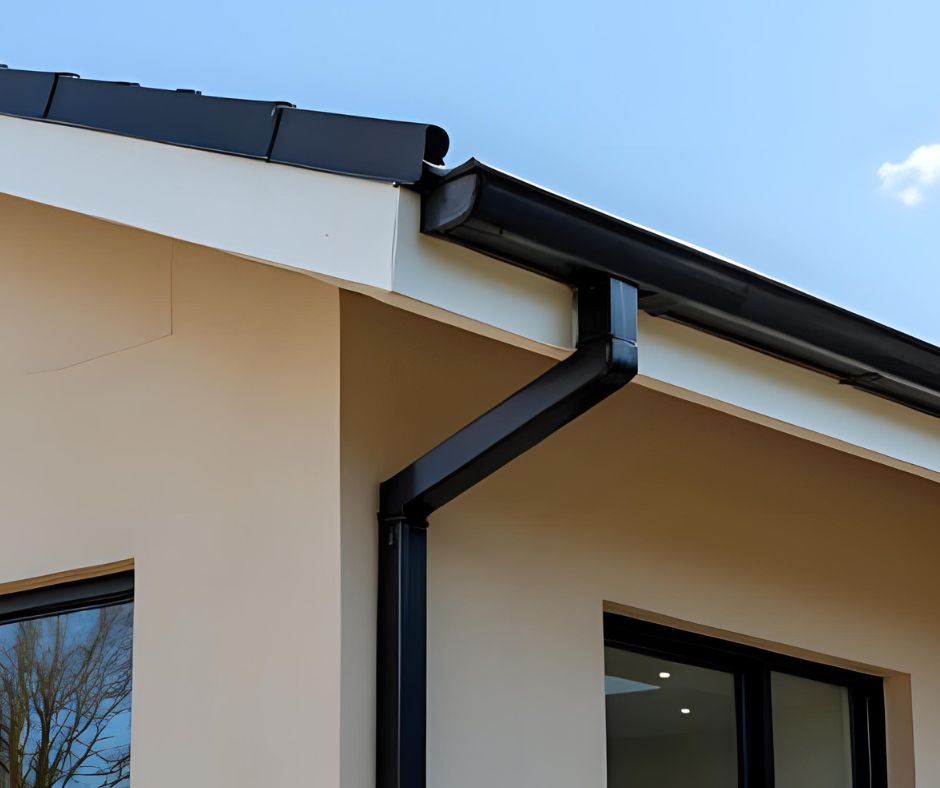
Why Gutters for Metal Roofs Are Different
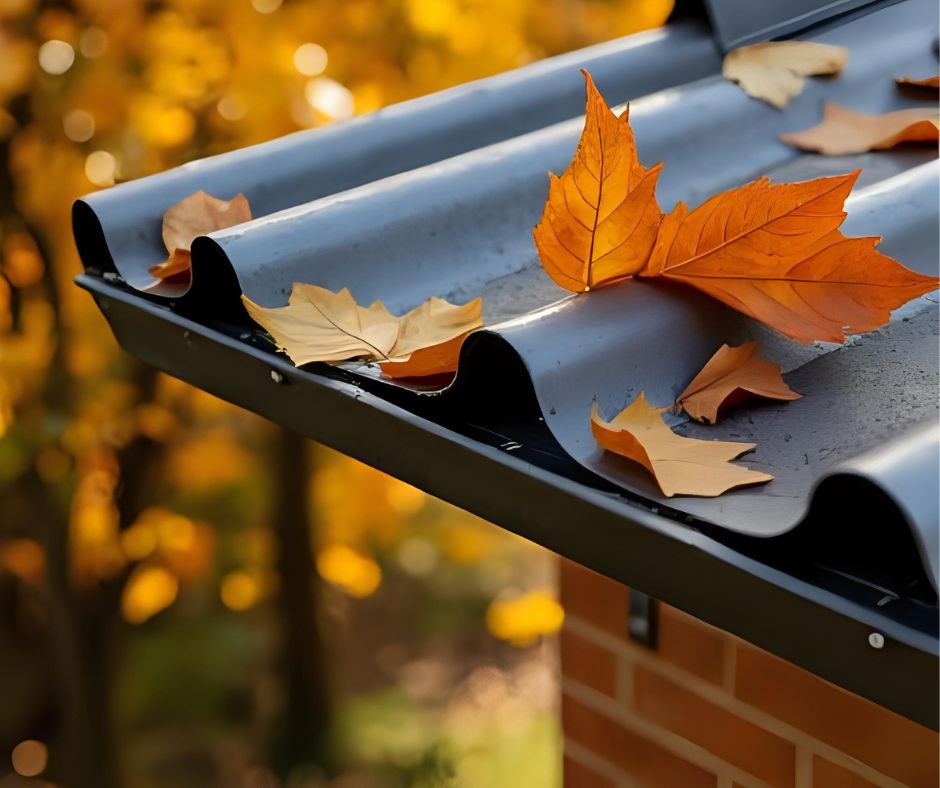
First things first – gutters for metal roofs need special attention. Metal roofs are awesome. They last forever, they look great, and they shed water like nothing else. But that’s exactly the problem when it comes to gutters. Water comes off a metal roof fast – I mean really fast. It’s like a water slide compared to the rough surface of asphalt shingles.
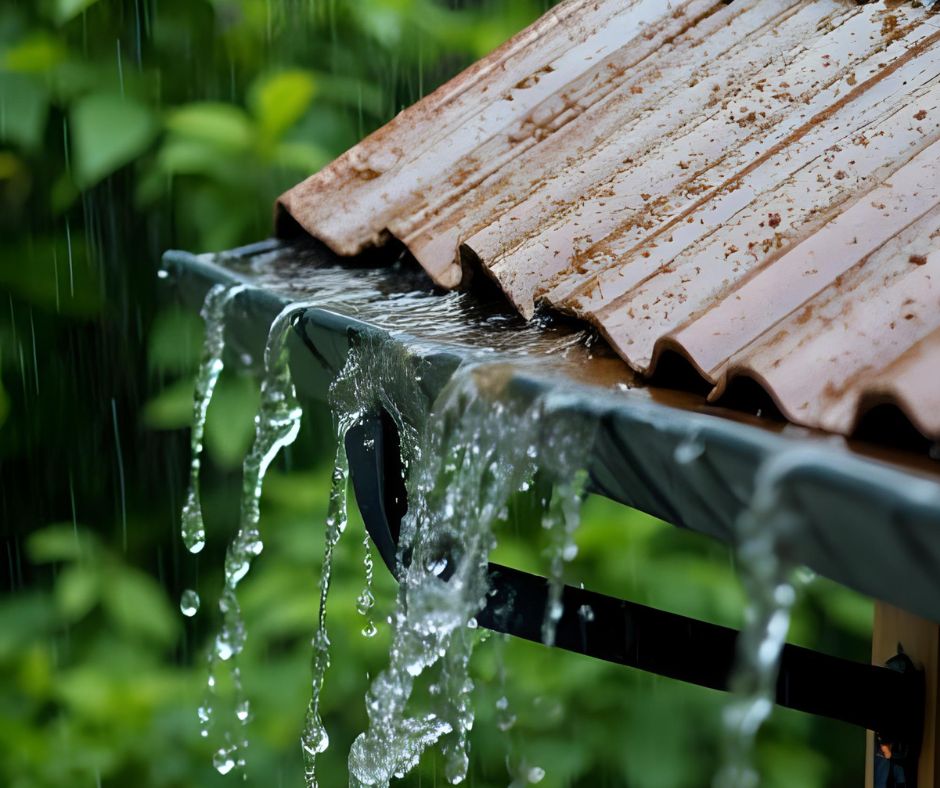
When I install gutters for metal roofs, I always tell homeowners this: your gutters need to handle a lot more water volume than gutters on a regular shingle roof. The smooth metal surface doesn’t slow down the water at all. During a heavy rain, it’s like turning on a fire hose. If your gutters aren’t up to the job, you’ll end up with water overshooting them completely.
Types of Gutters for Metal Roofs
Let me walk you through the different types of gutters for metal roofs that I install regularly. Each one has its pros and cons, and I’ll give you the straight truth about all of them.
K-Style Gutters
These are the most common gutters for metal roofs that I install. They’re called K-style because if you look at them from the side, they kind of look like the letter K. They have a flat back and a decorative front that looks like crown molding.
I like K-style gutters for metal roofs because they hold a lot of water – usually about 40-50% more than half-round gutters of the same width. That extra capacity is crucial when you’ve got water rushing off a metal roof. They come in 5-inch and 6-inch widths, and for metal roofs, I almost always recommend the 6-inch size.
The flat back makes them easy to mount directly to the fascia board, which gives you a solid, secure installation. I’ve installed thousands of feet of K-style gutters for metal roofs, and they’re reliable workhorses.
Half-Round Gutters
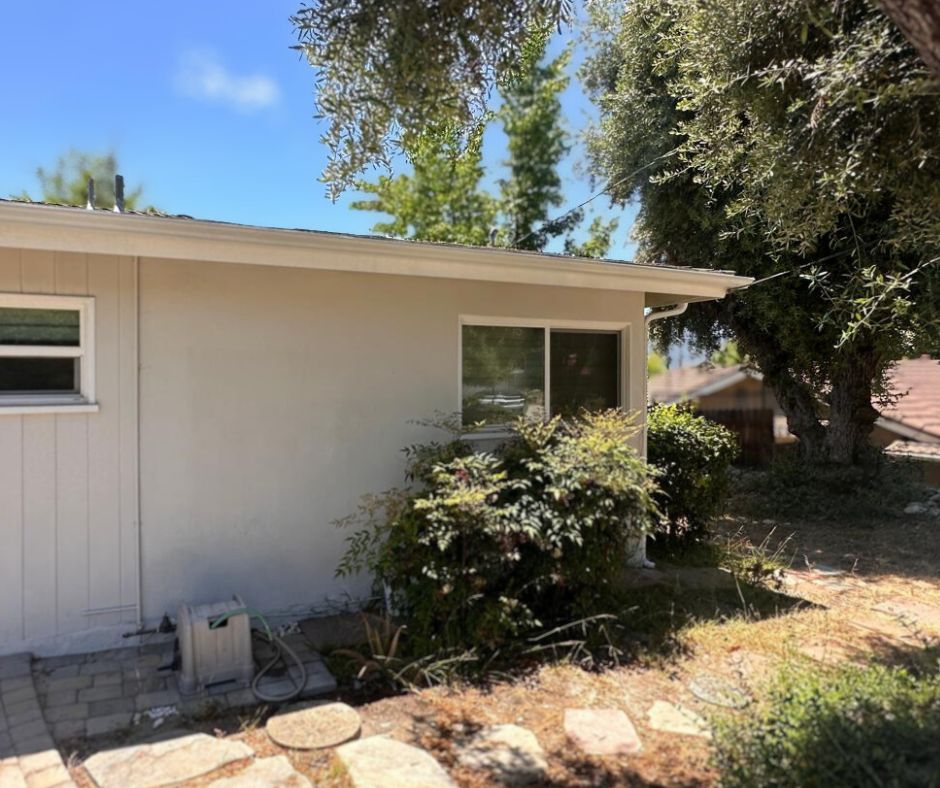
Half-round gutters are exactly what they sound like – they look like a pipe cut in half. These are traditional gutters for metal roofs, especially on older or historic homes. They have a classic look that some people really love.
Here’s the thing about half-round gutters – they don’t hold as much water as K-style gutters. But they do have one advantage: water flows through them really smoothly because there are no corners or edges to catch debris. For gutters for metal roofs where you’re already dealing with fast water flow, this smooth interior can actually be helpful.
I install half-round gutters on metal roofs when the homeowner wants that traditional aesthetic. Just know that you might need to go with a larger size – like 6 or even 7 inches – to handle the water volume from your metal roof.
Box Gutters
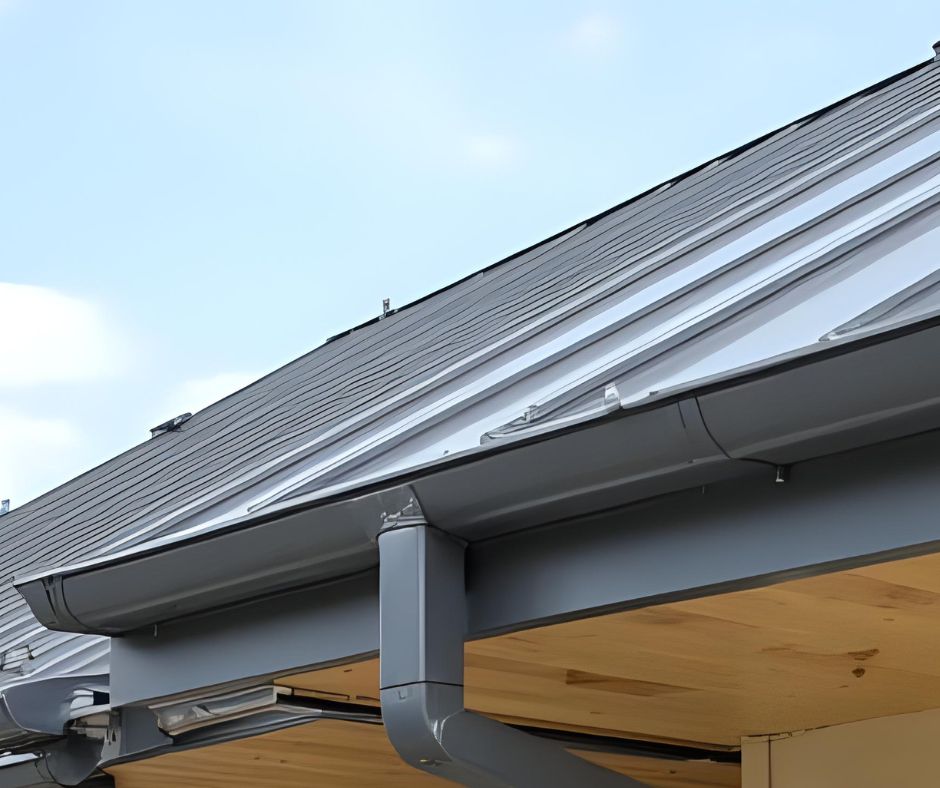
Box gutters are built right into the roof structure. These aren’t your typical hanging gutters for metal roofs – they’re actually part of the building. You see them a lot on commercial buildings and older homes.
I don’t install many box gutters for metal roofs on residential properties because they’re expensive and complicated. But when they’re done right, they’re incredibly effective. The big advantage is that they’re hidden from view and can handle massive amounts of water. If you’re building a new structure with a metal roof, box gutters might be worth considering.
Rain Gutters for Metal Roofs: Key Considerations
When I’m installing rain gutters for metal roofs, there are several critical factors I always consider. These can make the difference between gutters that work great and gutters that fail in the first big storm.
Sizing Matters
For rain gutters for metal roofs, size is everything. I’ve seen too many situations where someone installed standard 5-inch gutters on a metal roof, and they just couldn’t keep up. During heavy rain, water would overshoot the gutters completely.
Here’s my rule of thumb: for most residential metal roofs, I recommend 6-inch gutters as a minimum. If you’ve got a steep roof pitch or a large roof area, you might even need commercial-grade gutters that are 7 or 8 inches wide.
The downspouts need to be sized appropriately too. For 6-inch rain gutters for metal roofs, I use 3×4-inch rectangular downspouts or 4-inch round downspouts. You need enough downspouts to handle the volume – typically one downspout for every 35-40 feet of gutter.
Proper Slope
Rain gutters for metal roofs need the right slope – we call it pitch in the trade. The gutter needs to slope toward the downspouts so water flows properly. I typically pitch gutters at 1/4 inch for every 10 feet of run.
Some contractors try to cut corners by installing gutters level or with too little pitch. That’s a recipe for standing water, which leads to mosquitoes, algae, and eventually rust and deterioration.
Securing the Installation
This is crucial for rain gutters for metal roofs. Remember how I said water comes off a metal roof like a fire hose? That water has force behind it. If your gutters aren’t secured properly, that force can literally rip them right off your house.
I use heavy-duty hidden hangers spaced no more than 24 inches apart – and sometimes closer on longer runs. These hangers attach to the fascia board and support the gutter from inside. They’re much stronger than the old-style spike-and-ferrule systems.
Best Gutters for Metal Roofs: Material Choices
Let me break down the materials I work with for the best gutters for metal roofs. Each material has its place, and I’ll tell you when to choose each one.
Aluminum Gutters
Aluminum is hands-down the most popular material for the best gutters for metal roofs. About 80% of the gutters I install are aluminum, and there are good reasons for that.
Aluminum doesn’t rust. It’s lightweight, which makes installation easier and puts less stress on your fascia. It’s affordable compared to copper or steel. And it comes in tons of colors, so you can match it to your metal roof perfectly.
The downside? Aluminum can dent if you hit it with a ladder or if you get large hail. But for most situations, aluminum gutters are the best gutters for metal roofs. I typically use .032-inch thickness aluminum – that’s the heavy-duty stuff that holds up well.
Steel Gutters
Steel gutters are tough as nails. If you live in an area with severe weather or if you’re worried about damage from falling branches, steel might be your answer for the best gutters for metal roofs.
Galvanized steel is the most common. It’s coated with zinc to prevent rust, and then it’s usually painted. Steel gutters are heavier than aluminum, which actually helps them stay put during severe weather.
The catch with steel is that if the coating gets scratched or damaged, the steel underneath can rust. I always recommend getting steel gutters with a good paint finish and touching up any scratches promptly.
Copper Gutters
Copper is the premium choice for the best gutters for metal roofs. These gutters will literally last as long as your metal roof – we’re talking 50+ years easily.
Copper develops that beautiful greenish patina over time, which some people love. It never rusts, never needs painting, and it’s the most durable option out there.
But copper is expensive – really expensive. A copper gutter system can cost 2-4 times what aluminum costs, sometimes even more for premium installations. I install copper gutters for metal roofs on high-end homes where the homeowner wants the absolute best and is willing to pay for it.
Vinyl Gutters
I’m going to be honest with you – I don’t recommend vinyl as the best gutters for metal roofs. Vinyl is cheap, and it’s fine for a basic shingle roof in a mild climate. But for metal roofs where you’re dealing with high water volume and impact forces, vinyl just isn’t strong enough.
Vinyl gets brittle in cold weather and can crack. It can sag under the weight of water. And it doesn’t hold up well to the UV rays in direct sunlight. Save vinyl gutters for a shed or a small garage – not for your main metal roof.
Installation Tips for Gutters for Metal Roofs
Over the years, I’ve learned some tricks that make gutters for metal roofs work better and last longer. Here are the big ones:
Add a Drip Edge
Most metal roofs already have a drip edge installed at the eaves, but make sure yours does. The drip edge directs water into the gutter instead of behind it. Without it, water can get behind the gutter and rot out your fascia board.
For gutters for metal roofs, I sometimes install a special wider drip edge that extends further out. This helps direct that fast-moving water right into the center of the gutter instead of overshooting it.
Consider Gutter Guards
This is probably the most common question I get about gutters for metal roofs: should I install gutter guards?
My answer is usually yes, especially if you have trees near your house. Metal roofs shed leaves and debris, but that stuff still ends up in your gutters. Good gutter guards keep the big stuff out while letting water flow through.
For gutters for metal roofs, I like micro-mesh style gutter guards. They’re fine enough to keep out even small debris like pine needles and roof grit, but they don’t restrict water flow. The solid hood-style guards can actually cause problems on metal roofs because water can overshoot them during heavy rain.
Use Ice and Water Shield
If you live in a cold climate, ice dams can be a problem even with metal roofs. I always install ice and water shield membrane under the drip edge before hanging gutters for metal roofs in snow country. This gives you extra protection if ice builds up in the gutters and pushes water back under the roofing.
Plan for Thermal Expansion
Here’s something a lot of contractors don’t think about: both metal roofs and gutters expand and contract with temperature changes. For long runs of gutters for metal roofs, I install expansion joints every 40 feet or so. These allow the gutter to move without buckling or pulling apart at the seams.
Common Problems with Gutters for Metal Roofs
Let me tell you about the issues I see most often with gutters for metal roofs, and how to prevent them.
Overshooting
This is problem number one. During heavy rain, water shoots right over the gutter instead of falling into it. This happens because water comes off a metal roof so fast.
The fix? Wider gutters, proper positioning, and sometimes adding a gutter apron or splash guard. I’ve also had good luck installing gutters slightly lower than usual – letting them hang down a bit more from the roof edge – so there’s more gutter in the path of the water.
Ice Dams
In cold climates, ice can build up in gutters for metal roofs and cause problems. The ice blocks water from draining, which can lead to water backing up under the roof or gutters pulling away from the house under the weight of the ice.
Heat cables are one solution. These electric cables run through the gutter and downspouts to melt ice. I also recommend making sure your attic is properly insulated and ventilated so heat doesn’t escape and melt snow on the roof, which then refreezes in the gutters.
Gutter Separation
I’ve seen gutters pull away from the house because they weren’t attached strongly enough to handle the water load from a metal roof. This usually happens because the contractor used cheap hangers or spaced them too far apart.
Always use quality hidden hangers, space them close together (I do 24 inches maximum), and make sure they’re attached to solid wood – not just the thin fascia board if it’s only 1/2 inch thick.
Corrosion at Connection Points
Sometimes I see corrosion where gutters for metal roofs connect to metal roof panels or flashing. This happens because of galvanic corrosion – when two different metals touch in the presence of water, they can react with each other.
The solution is to use compatible metals and add rubber or plastic isolation washers at connection points. If you have a steel roof, use steel gutters. If you have an aluminum roof, aluminum gutters are your best bet.
Maintenance for Gutters for Metal Roofs
Good news – if you install the right gutters for metal roofs and they’re installed correctly, maintenance is pretty minimal. But you can’t just forget about them. Here’s what I tell my customers:
Clean them twice a year. Spring and fall are the best times. Get up there (safely!) and remove any leaves, twigs, or debris. Even with gutter guards, some stuff gets through.
Check the downspouts. Make sure water is flowing freely. If you notice slow drainage, there might be a clog. A plumber’s snake or a garden hose can usually clear it out.
Inspect the hangers. Walk around your house and look at the gutter line. It should be straight and even. If you see sagging sections, a hanger might have failed.
Look for leaks. Check the seams and end caps, especially after a heavy rain. Small leaks can be sealed with gutter sealant, but if you’ve got a lot of leaks, it might be time to replace the section.
Watch for rust or corrosion. This is especially important if you have steel gutters. Catch rust early and you can treat it. Let it go and you’ll need new gutters.
Final Thoughts from the Trenches
After installing gutters for metal roofs on hundreds of homes, I can tell you this: don’t cheap out on your gutter system. A metal roof is a premium roofing choice that will last 40-50 years or more. Your gutters need to match that quality and longevity.
Invest in properly sized gutters for metal roofs – usually 6-inch or larger. Use quality materials like heavy-gauge aluminum or steel. Make sure the installation is done right with plenty of strong hangers. Consider gutter guards to reduce maintenance.
The best gutters for metal roofs are the ones that are correctly sized, properly installed, and made from quality materials. It might cost a bit more upfront, but you’ll save money in the long run by avoiding water damage, foundation problems, and premature gutter replacement.
At HAILEYS PRO SERVICES, we treat every gutter installation like it’s going on our own house. We take the time to assess your specific situation – your roof size, pitch, local climate, and budget – and recommend the best solution for your needs.
If you’re thinking about installing or replacing gutters for metal roofs, don’t wait until you’ve got water damage or foundation problems. Get it done right the first time, and you’ll have a system that protects your home for decades to come. That’s not just good business – it’s the right way to take care of your biggest investment.